
Welcome to Jameson’s Book Club, a space to talk about the books mentioned in episodes of Bottles and Bonds, books invariably Jameson has been told to add to his reading, books invariably he may never get a chance to read. But, that doesn’t mean we can’t gather as a B&B community to talk about them.
If you’re looking to grab a copy, we encourage you to use the links provided to support a friend of the podcast who actually wants to sell books and not send billionaires into space. Click for here for her bookshop.org store, Three Splotches of Ink and find your copy there.
If you grab one and read it, tell us what you thought about the book in the comments, and why you feel Jameson should read it.
Last Call at Coogan’s: Life and Death of a Neighborhood Bar
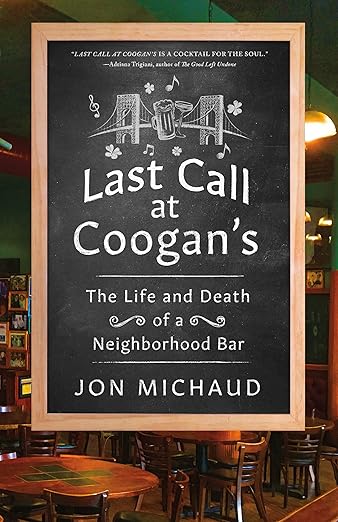
Mentioned in S1 E2, from the author:
The uniquely inspiring story of a beloved neighborhood bar that united the communities it served.
Coogan’s Bar and Restaurant opened in New York City’s Washington Heights in 1985 and closed its doors for good in the pandemic spring of 2020. Sometimes called Uptown City Hall, it became a staple of neighborhood life during its 35 years in operation—a place of safety and a bulwark against prejudice in a multi-ethnic, majority-immigrant community undergoing rapid change.
Last Call at Coogan’s by Jon Michaud tells the story of this beloved saloon, from the challenging years of the late 80’s and early 90’s, when Washington Heights suffered from the highest crime rate in the city, to the 2010’s, when gentrification pushed out longtime residents and nearly closed Coogan’s itself; only a massive community mobilization including local politicians and Lin-Manuel Miranda kept the doors open.
This book touches on many serious issues facing the country today: race relations, policing, gentrification, and the COVID-19 pandemic. Along the way, readers will meet the bar’s owners and an array of its most colorful regulars, such as an aspiring actor from Kentucky who dreams of bringing a theater company to Washington Heights, a television reporter who loves karaoke, and a Puerto Rican community board manager who falls in love with an Irish cop from the local precinct. At its core, this is the story of one small business, the people who worked there, the customers they served, and the community they all called home.
The Theory of the Cafe Central
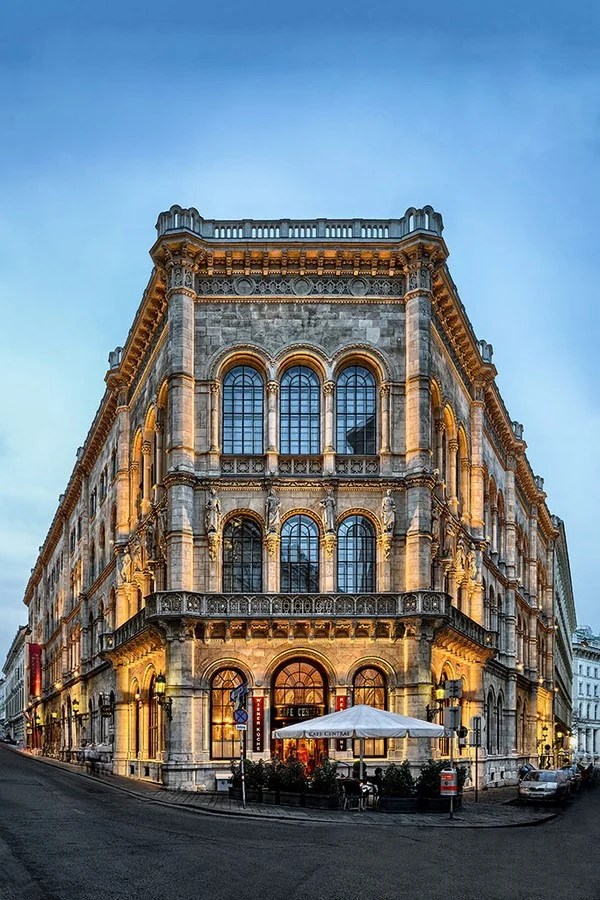
Mentioned in S1 E3, “The Theory of the Cafe Central” is an essay that is a delight to read. Alfred Polgar perfectly articulates the most essential element of bar culture when he says:
The Café Central lies on the Viennese latitude at the meridian of loneliness. Its inhabitants are, for the most part, people whose hatred of their fellow human beings is as fierce as their longing for people, who want to be alone but need companionship for it.
You can read it here from the University of Washington.
Leave a comment
The Tender Bar
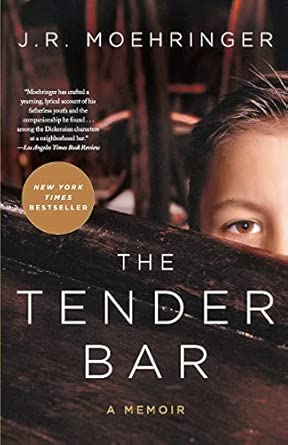
Mentioned in S1 E5, from the publisher:
J.R. Moehringer grew up captivated by a voice. It was the voice of his father, a New York City disc jockey who vanished before J.R. spoke his first word. Sitting on the stoop, pressing an ear to the radio, J.R. would strain to hear in that plummy baritone the secrets of masculinity and identity. Though J.R.’s mother was his world, his rock, he craved something more, something faintly and hauntingly audible only in The Voice.
At eight years old, suddenly unable to find The Voice on the radio, J.R. turned in desperation to the bar on the corner, where he found a rousing chorus of new voices. The alphas along the bar—including J.R.’s Uncle Charlie, a Humphrey Bogart look-alike; Colt, a Yogi Bear sound-alike; and Joey D, a softhearted brawler—took J.R. to the beach, to ballgames, and ultimately into their circle. They taught J.R., tended him, and provided a kind of fathering-by-committee. Torn between the stirring example of his mother and the lurid romance of the bar, J.R. tried to forge a self somewhere in the center. But when it was time for J.R. to leave home, the bar became an increasingly seductive sanctuary, a place to return and regroup during his picaresque journeys. Time and again the bar offered shelter from failure, rejection, heartbreak—and eventually from reality.
In the grand tradition of landmark memoirs, The Tender Bar is suspenseful, wrenching, and achingly funny. A classic American story of self-invention and escape, of the fierce love between a single mother and an only son, it’s also a moving portrait of one boy’s struggle to become a man, and an unforgettable depiction of how men remain, at heart, lost boys.
Leave a comment
On Being Wrong
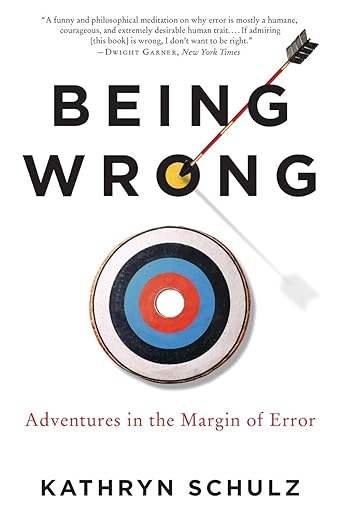
Mentioned in S1E5, from the publisher:
To err is human. Yet most of us go through life assuming (and sometimes insisting) that we are right about nearly everything, from the origins of the universe to how to load the dishwasher. If being wrong is so natural, why is our grasp of the psychology of belief so flawed that we are bad at imagining our ideas could be mistaken, and why do we react to our errors with surprise, denial, defensiveness, and shame?
In the tradition of The Wisdom of Crowds and Predictably Irrational, Being Wrong explores the fascinating human cognition behind what it means to be in error, and why homo sapiens tend to tacitly assume (or loudly insist) that they are right about most everything. Kathryn Schulz argues that error is the fundamental human condition and should be celebrated as such. Guiding the reader through the history and psychology of error, from Socrates to Alan Greenspan, Being Wrong will change the way you perceive screw-ups, both of the mammoth and daily variety, forever.
This witty exploration of wrongology reveals:
- Our Surprising Fallibility: Schulz examines why being wrong is so natural, yet why we react to our own mistakes with surprise, denial, and shame.
- The Certainty Trap: An investigation into why we go through life assuming we are right about nearly everything, from how to load the dishwasher to the origins of the universe.
- A History of Error: A journey through the psychology and philosophy of being wrong, guided by thinkers and public figures from Socrates to Alan Greenspan.
- The Case for Being Wrong: A compelling argument for why error is the fundamental human condition, and why our capacity to screw up should be celebrated, not condemned.
Leave a comment
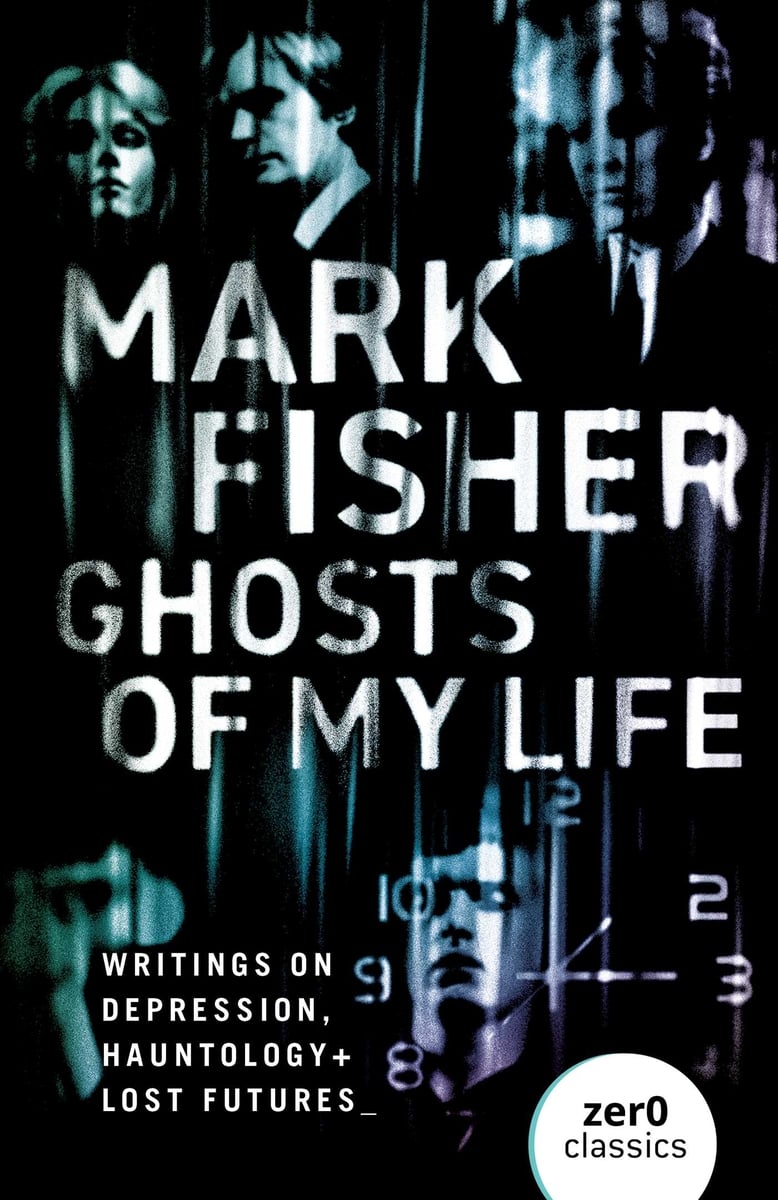
Mentioned in S1E6, from the publisher:
This collection of writings by Mark Fisher, author of the acclaimed Capitalist Realism, argues that we are haunted by futures that failed to happen. Fisher searches for the traces of these lost futures in the work of David Peace, John Le Carré, Christopher Nolan, Joy Division, Burial and many others.
Leave a comment
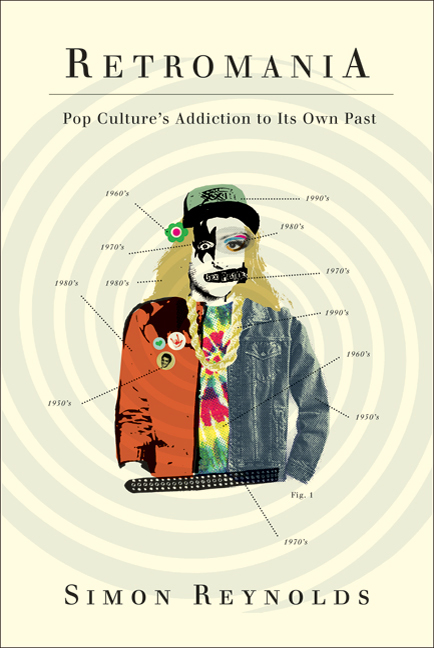
Mentioned in S1E6, from the publisher:
We live in a pop age gone loco for retro and crazy for commemoration. Band re-formations and reunion tours, expanded reissues of classic albums and outtake-crammed box sets, remakes and sequels, tribute albums and mash-ups . . . But what happens when we run out of past? Are we heading toward a sort of culturalecological catastrophe where the archival stream of pop history has been exhausted?
Simon Reynolds, one of the finest music writers of his generation, argues that we have indeed reached a tipping point, and that although earlier eras had their own obsessions with antiquity―the Renaissance with its admiration for Roman and Greek classicism, the Gothic movement’s invocations of medievalism―never has there been a society so obsessed with the cultural artifacts of its own immediate past.
Retromaniais the first book to examine the retro industry and ask the question: Is this retromania a death knell for any originality and distinctiveness of our own?
Leave a comment
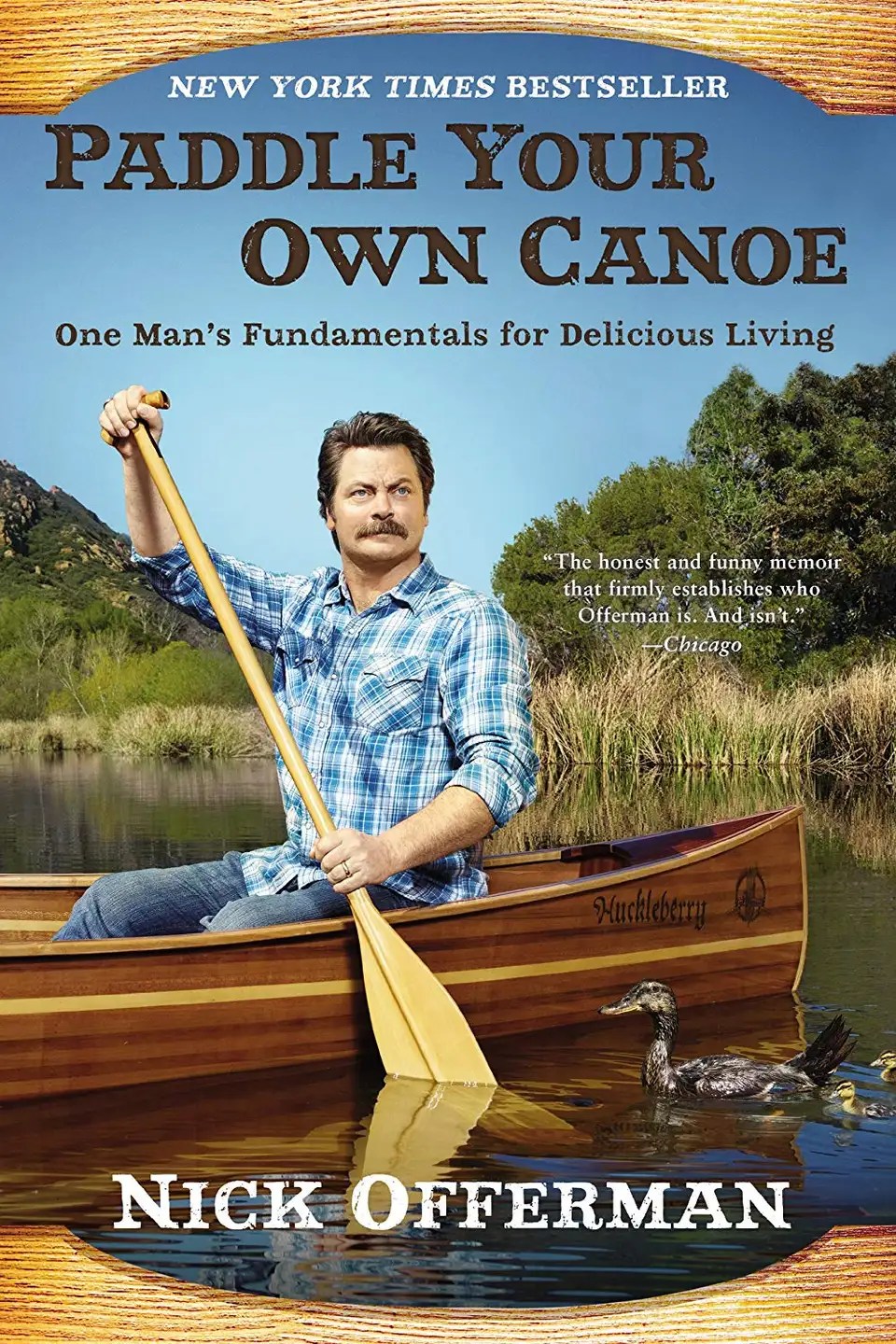
Mentioned in S1E7, from the publisher:
Have you ever paddled a canoe and been besotted by the natural beauty of the river? Or experienced the savory rewards of a job well done, especially if that job is grilling something’s flesh? If so, Nick Offerman’s humorous fulminations on life, meat, and much more is for you. Or your man. Or your aspiring circus clown, thespian, or biped.
After all, when it comes to growing a robust moustache, masticating red meat, or wooing a woman, who better to deliver this tutelage than the always charming, always manly Nick Offerman, best known as Parks and Recreation’s Ron Swanson? Combining his trademark comic voice and very real expertise in woodworking—he runs his own woodshop—Paddle Your Own Canoe features tales from Offerman’s childhood in small-town Minooka to his risque theater days in Chicago, beginnings as a carpenter/actor, and the hilarious and magnificent seduction of his wife, Megan Mullally. It also offers hard-bitten battle strategies in the arenas of love, style, religion, woodworking, and outdoor recreation, among many other palatable entrées.
A mix of amusing anecdotes and opinionated lessons and rants sprinkled with offbeat gaiety, Paddle Your Own Canoe will not only tickle readers pink but may also rouse them to put down their smartphones, study a few sycamore leaves, and maybe even hand-craft (and paddle) their own canoes.
Leave a comment
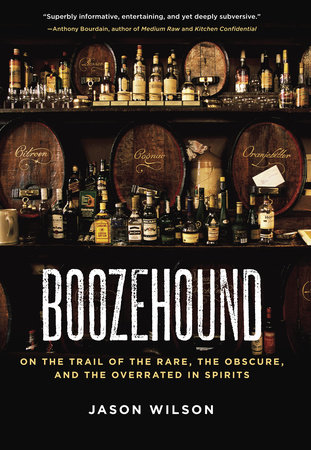
Mentioned in S1E7 and S2E8 (we really cannot get enough of this book, you should read it), from the publisher:
While some may wonder, “Does the world really need another flavored vodka?” no one answers this question quite so memorably as spirits writer and raconteur Jason Wilson does in Boozehound. (By the way, the short answer is no.) A unique blend of travelogue, spirits history, and recipe collection, Boozehound explores the origins of what we drink and the often surprising reasons behind our choices.
In lieu of odorless, colorless, tasteless spirits, Wilson champions Old World liquors with hard-to-define flavors—a bitter and complex Italian amari, or the ancient, aromatic herbs of Chartreuse, as well as distinctive New World offerings like lively Peruvian pisco. With an eye for adventure, Wilson seeks out visceral experiences at the source of production—visiting fields of spiky agave in Jalisco, entering the heavily and reverently-guarded Jägermeister herb room in Wolfenbüttel, and journeying to the French Alps to determine if mustachioed men in berets really handpick blossoms to make elderflower liqueur.
In addition, Boozehound offers more than fifty drink recipes, from three riffs on the Manhattan to cocktail-geek favorites like the Aviation and the Last Word. These recipes are presented alongside a host of opinionated essays that cherish the rare, uncover the obscure, dethrone the overrated, and unravel the mysteries of taste, trends, and terroir. Through his far-flung, intrepid traveling and tasting, Wilson shows us that perhaps nothing else as entwined with the history of human culture is quite as much fun as booze.
Leave a comment
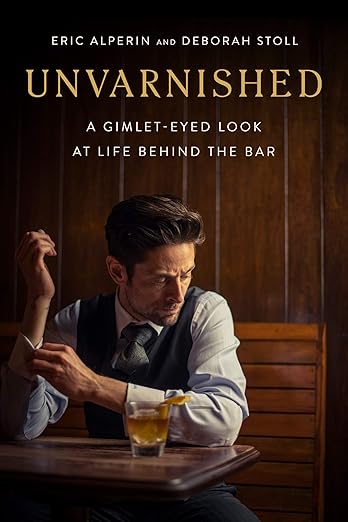
Mentioned in S2E1, from the publisher:
When it opened a decade ago, the acclaimed Los Angeles speakeasy The Varnish—owned, designed, and managed by award-winning cocktail aficionado Eric Alperin—quickly became the stylish standard bearer for modern bars. Unvarnished is a candid, voice-driven, no-holds-barred look at the workings of a bar, and the foundation of The Varnish’s success: attention to hospitality and an abiding belief in the nobility of service.
Alperin and veteran bartender and writer Deborah Stoll push back against the prevailing conceit that working in the service industry is something people do because they failed at another career. They offer fascinating meditations on ice as the bartender’s flame; the good, the bad, and the sad parts of vice; one’s duty to their community as a local; the obsessive, compulsive deliberations of building a bar (size matters); lessons from Sasha Petraske—Eric’s late partner, mentor, and the forefather of the modern day classic cocktail renaissance—and the top ten reasons not to date a bartender. At the book’s center are the 100 recipes a young Jedi bartender must know before their first shift at The Varnish, along with examples of building drinks by the round, how to Mr. Potato Head cocktails, and what questions to ask when crafting a Bartender’s Choice.
A sexy, gritty, honest look at the glamour-less work of a glamorous job, written with the intimate honesty of The Tender Bar, the debauched inside view of Kitchen Confidential, and the social commentary of Waiter Rant, Unvarnished will take its place among these classics of the service set.
Leave a comment
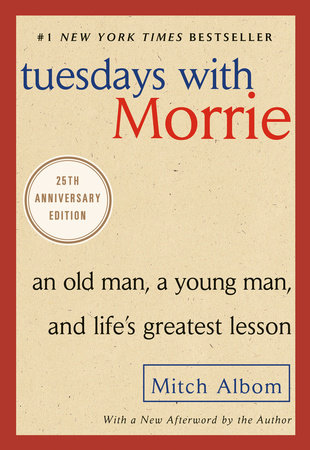
Mentioned in S2E2, from the publisher:
Maybe it was a grandparent, or a teacher, or a colleague. Someone older, patient and wise, who understood you when you were young and searching, helped you see the world as a more profound place, gave you sound advice to help you make your way through it.
For Mitch Albom, that person was his college professor Morrie Schwartz.
Maybe, like Mitch, you lost track of this mentor as you made your way, and the insights faded, and the world seemed colder. Wouldn’t you like to see that person again, ask the bigger questions that still haunt you, receive wisdom for your busy life today the way you once did when you were younger?
Mitch Albom had that second chance. He rediscovered Morrie in the last months of the older man’s life. Knowing he was dying, Morrie visited with Mitch in his study every Tuesday, just as they used to back in college. Their rekindled relationship turned into one final “class”: lessons in how to live. “The truth is, Mitch,” he said, “once you learn how to die, you learn how to live.”
Tuesdays with Morrie is a magical chronicle of their time together, through which Mitch shares Morrie’s lasting gift with the world.
Leave a comment
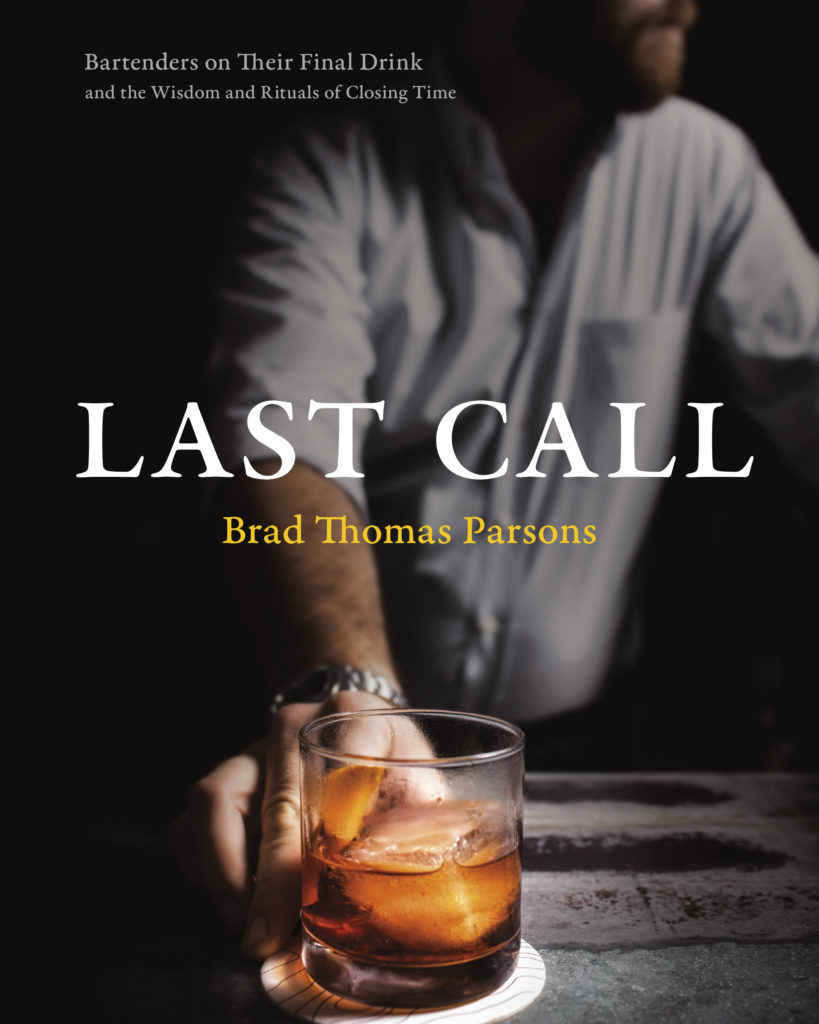
Mentioned in S2E6, from the publisher:
Everyone knows the parlor game question asked of every chef and food personality in countless interviews: What is the last meal you’d want to eat before you die? But what does it look like when you pose the question to bartenders?
In Last Call, James Beard Award-winning author Brad Thomas Parsons gathers the intriguing responses from a diverse range of bartenders around the country, including Guido Martelli at the Palizzi Social Club in Philadelphia (he chooses an extra-dry Martini), Joseph Stinchcomb at Saint Leo in Oxford, Mississippi (he picks the Last Word, a pre-Prohibition-era cocktail that’s now a cult favorite), and Natasha David at Nitecap in New York City (she would be sipping an extra-salty Margarita). The resulting interviews and essays reveal a personal portrait of some of the country’s top bartenders and their favorite drinks, while over 40 cocktail recipes and stunning photography make this a keepsake for barflies and cocktail enthusiasts of all stripes.
Leave a comment
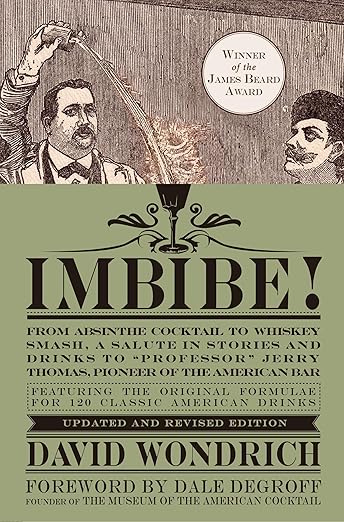
Mentioned in S2E7 and S2E8, from the publisher:
Cocktail writer and historian David Wondrich presents the colorful, little-known history of classic American drinks–and the ultimate mixologist’s guide–in this engaging homage to Jerry Thomas, father of the American bar.
Wondrich reveals never-before-published details and stories about this larger-than-life nineteenth-century figure, along with definitive recipes for more than 100 punches, cocktails, sours, fizzes, toddies, slings, and other essential drinks, along with detailed historical and mixological notes.
The first edition, published in 2007, won a James Beard Award. Now updated with newly discovered recipes and historical information, this new edition includes the origins of the first American drink, the Mint Julep (which Wondrich places before the American Revolution), and those of the Cocktail itself. It also provides more detail about 19th century spirits, many new and colorful anecdotes and details about Thomas’s life, and a number of particularly notable, delicious, and influential cocktails not covered in the original edition, rounding out the picture of pre-Prohibition tippling.
This colorful and good-humored volume is a must-read for anyone who appreciates the timeless appeal of a well-made drink-and the uniquely American history behind it.
Leave a comment
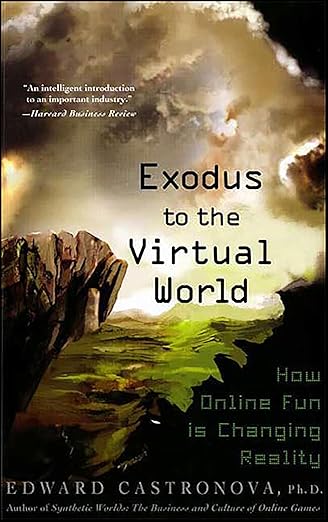
Mentioned in S2E9, from the publisher:
Virtual worlds have exploded out of online game culture and now capture the attention of millions of ordinary people: husbands, wives, fathers, mothers, workers, retirees. Devoting dozens of hours each week to massively multiplayer virtual reality environments (like World of Warcraft and Second Life), these millions are the start of an exodus into the refuge of fantasy, where they experience life under a new social, political, and economic order built around fun.
Given the choice between a fantasy world and the real world, how many of us would choose reality? Exodus to the Virtual World explains the growing migration into virtual reality, and how it will change the way we live–both in fantasy worlds and in the real one.
Leave a comment
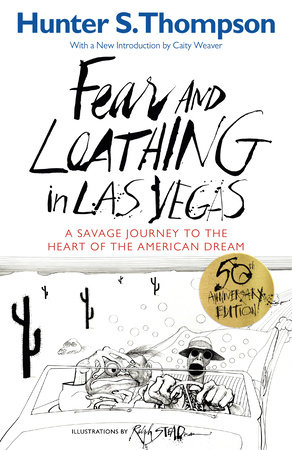
Mentioned in S2E10, from the publisher:
First published in Rolling Stone magazine in 1971, Fear and Loathing in Las Vegas is the best chronicle of drug-soaked, addle-brained, rollicking good times ever committed to the printed page. It is also the tale of a long weekend road trip that has gone down in the annals of American pop culture as one of the strangest journeys ever experienced.
The writer’s account of an assignment he undertook with his attorney to visit Las Vegas and “check it out,” the book stands as the final word on the highs and lows of the 1960s, one of the defining works of our time and a stylistic and journalistic tour de force.

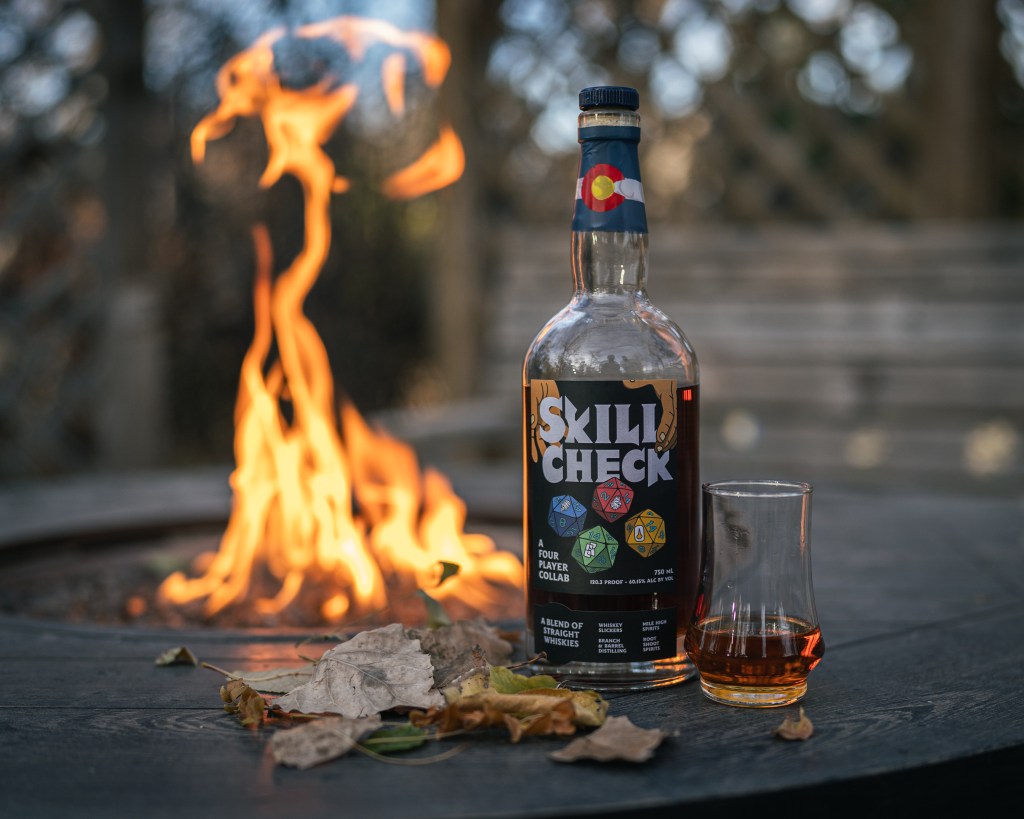

 A spirited conversation
Leave a comment